


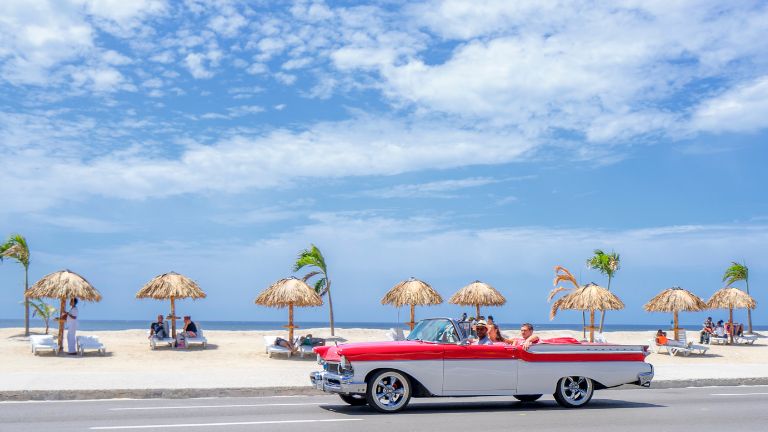



Destination Saint Lucia: The Caribbean island with rainforests, romantic resorts and rum punch sunsets
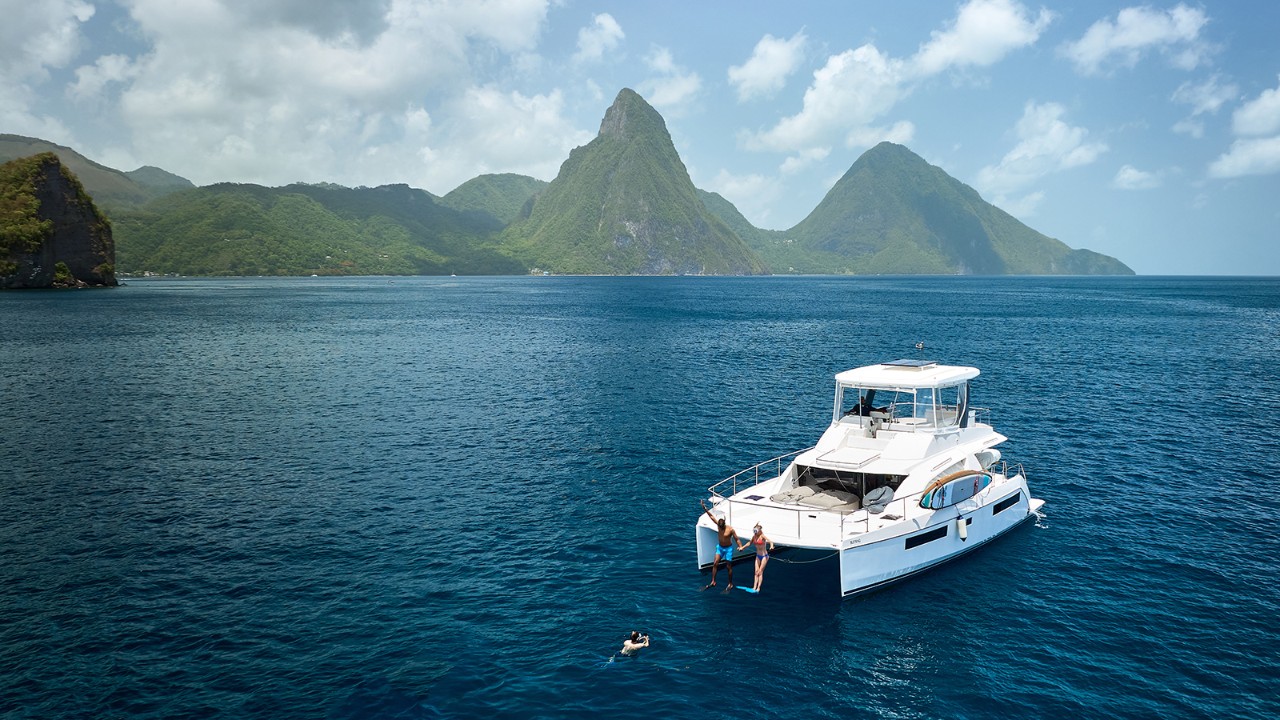
The island that captures every mood
Feel like hiking through rainforest one day and soaking in a volcanic mud bath the next? Sure! Prefer to sip rum punch at a beach bar before dining on fresh seafood with the sound of steel drums in the distance? You can do that too.
Unlike its smaller Caribbean neighbours, Saint Lucia offers both wild landscapes and polished comforts. The island’s interior is lush and mountainous, making it perfect for explorers, while its coastline serves up miles of beaches and some of the region’s most romantic resorts.
Getting around
WestJet flies into Hewanorra International Airport (UVF) in the south, about a 90-minute drive from the popular northern beaches and resort areas. It’s a scenic ride with winding mountain roads, glimpses of the ocean and daily island life along the way.
If you prefer to start your vacation the moment you land, consider a water transfer: a fast, exhilarating boat ride that whisks you along the coast to your resort while you watch the Pitons rise in the distance.
Once you’re settled, taxis and hotel shuttles are easy to arrange, though adventurous travellers sometimes rent cars to explore the island’s hidden corners. (Just remember: in Saint Lucia, they drive on the left.)
Where to stay
Soufrière and the Pitons
The island’s most iconic setting is here, on the southwest coast. The Pitons — Gros and Petit Piton — rise sharply from the sea, and the views are simply cinematic. Resorts like those in the Soufrière area are known for open-air architecture, infinity pools and seamless integration with nature. It’s the place for romance, wellness and sunset views that make you forget what day it is.
Rodney Bay and Castries
Up north, the island’s livelier side comes alive. Rodney Bay is home to beachside hotels, restaurants, and shopping, while the nearby capital of Castries hosts colourful markets and cultural sites. It’s ideal for families or travellers who like a bit of nightlife mixed in with their beach time.
Anse Chastanet and beyond
Tucked away on quieter stretches of coastline, boutique eco-resorts around Anse Chastanet blend sustainability with style. The nearby coral reef is one of the best snorkelling spots on the island where you can wade in from the sand and be surrounded by tropical fish within minutes.
What to see and do
Hike a volcano (or at least a part of one)
The Gros Piton hike is a bucket-list experience — challenging but rewarding, with panoramic views of the island and sea. If you prefer a gentler trek, the Tet Paul Nature Trail near Soufrière offers equally stunning views with far less effort.
Dip into the sulphur springs
Known as the “world’s only drive-in volcano,” this geothermal site lets you walk through bubbling mud pools and soak in mineral-rich baths. Locals swear by their skin-softening effects, and honestly, you’ll have a hard time not feeling rejuvenated after.
Explore the water
The west coast’s calm Caribbean waters make Saint Lucia a snorkelling and diving dream. Explore the protected reefs of Anse Chastanet Marine Reserve by kayak, or hop on a catamaran cruise to look for dolphins, discover hidden coves and black-sand beaches.
For thrill-seekers, kite surfing and windsurfing on the island’s Atlantic side near Vieux Fort offer an extra shot of adrenaline.
Chase waterfalls
Inland, waterfalls tumble through the rainforest like secret treasures. Toraille Falls is one of the easiest to reach, just a short walk from the road, while Diamond Falls Botanical Gardens surrounds you with tropical blooms and history — its mineral-rich waters once drew early European settlers to the island.
Taste the island
Food is part of the adventure here. Saint Lucian cuisine blends African, French, and Caribbean influences, best sampled at a family-run Creole restaurant or beachside grill. Try the national dish of green figs and saltfish, along with plantains, callaloo soup, and whatever fresh seafood the fishermen caught that morning.
Don’t skip the chocolate — Saint Lucia’s cocoa heritage runs deep. Many resorts offer bean-to-bar workshops where you can roast, grind, and taste chocolate right at the source.
When to visit
Saint Lucia’s dry season (December through May) is the most popular, with plenty of sunshine and cooling trade winds. The island stays warm year-round, though, and travelling in the shoulder months of April or late October can mean fewer crowds and better deals — perfect timing for Canadians chasing early summer warmth or a late-autumn escape.
Tips for a smooth island stay
- Currency: The Eastern Caribbean dollar (XCD) is official, but U.S. dollars are widely accepted.
- Language: English is the official language, though you’ll hear Saint Lucian Creole (Kwéyòl) everywhere.
- Getting around: Roads can be winding — let local drivers do the navigating unless you love adventure driving.
- Stay sustainable: Support local guides and eco-tours; avoid reef-harming sunscreens; bring a reusable water bottle.
- Slow down. The island’s rhythm is part of the charm — “island time” is real and worth embracing.
Saint Lucia is an island that balances luxury and authenticity, adventure and calm — a place where you can disconnect from daily life and reconnect with something simpler, slower, and more beautiful.
Whether you come for a honeymoon, a solo recharge, or a much-needed family break, Saint Lucia has a way of lingering long after you’ve returned home.
How to get there
Starting October 26 this year, WestJet offers direct flights to Saint Lucia three times a week from Toronto.

One of numerous romantic beach resorts in Saint Lucia
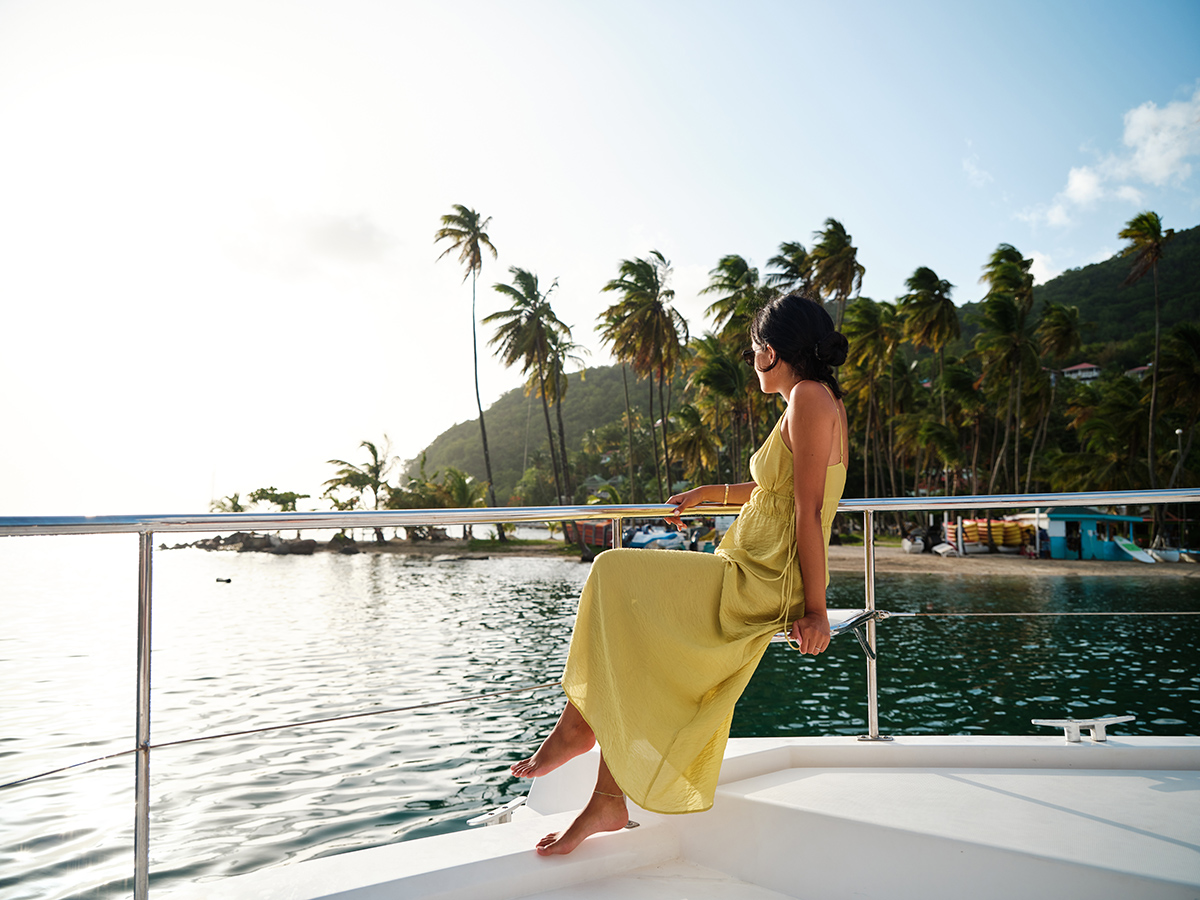
Enjoying ocean views from the deck of a catamaran
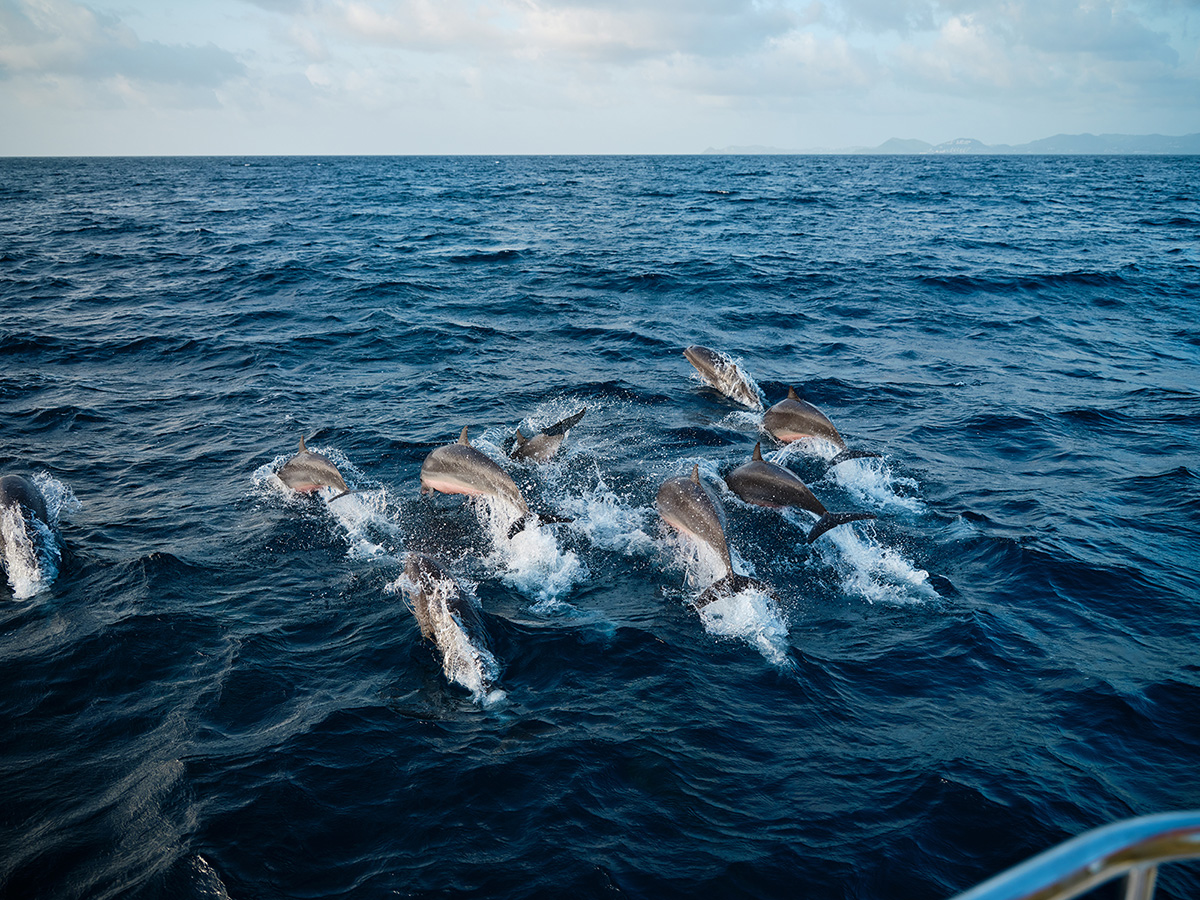
Lucky visitors may see dolphins out for a swim
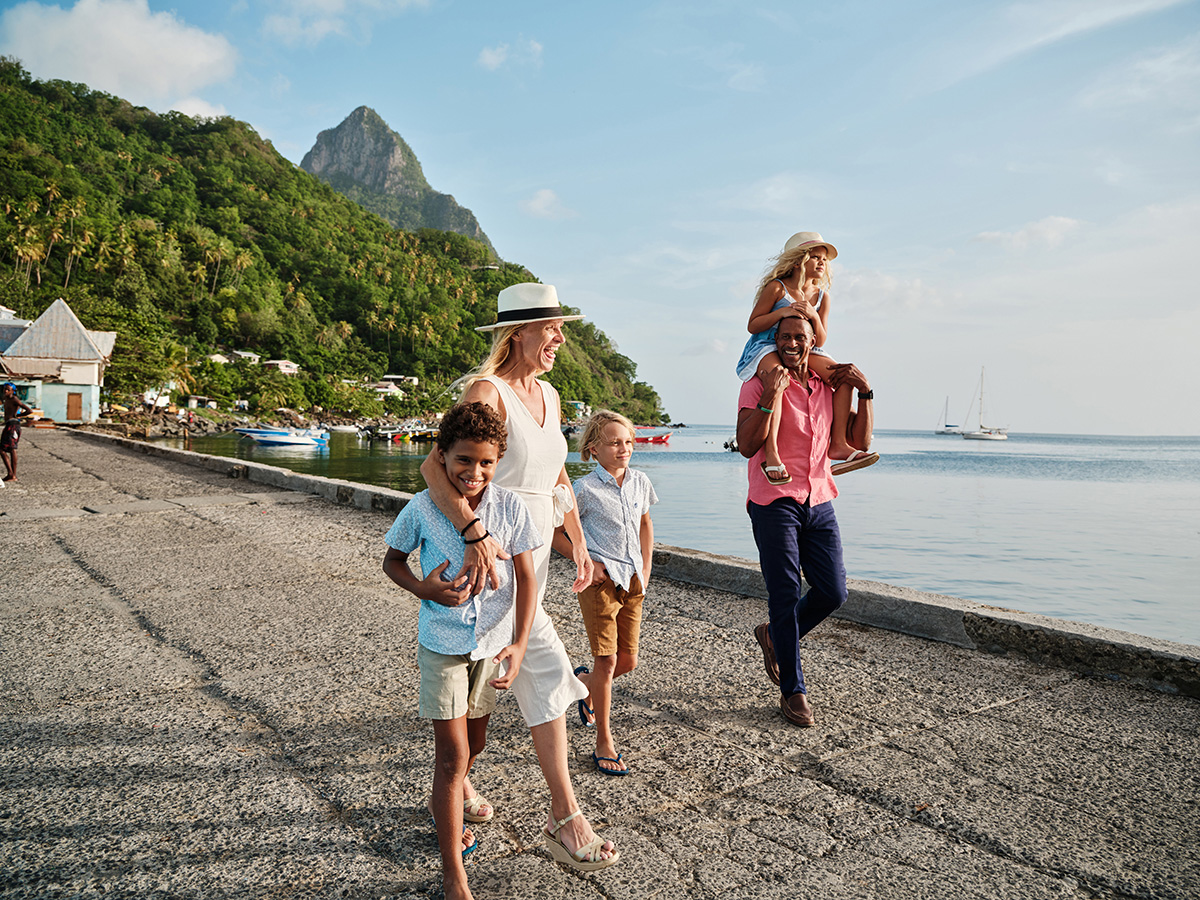
Saint Lucia is a popular travel destination for families

Nightlife in Saint Lucia: Rum cocktails are a must-try

Savour local grilled snacks and seafood
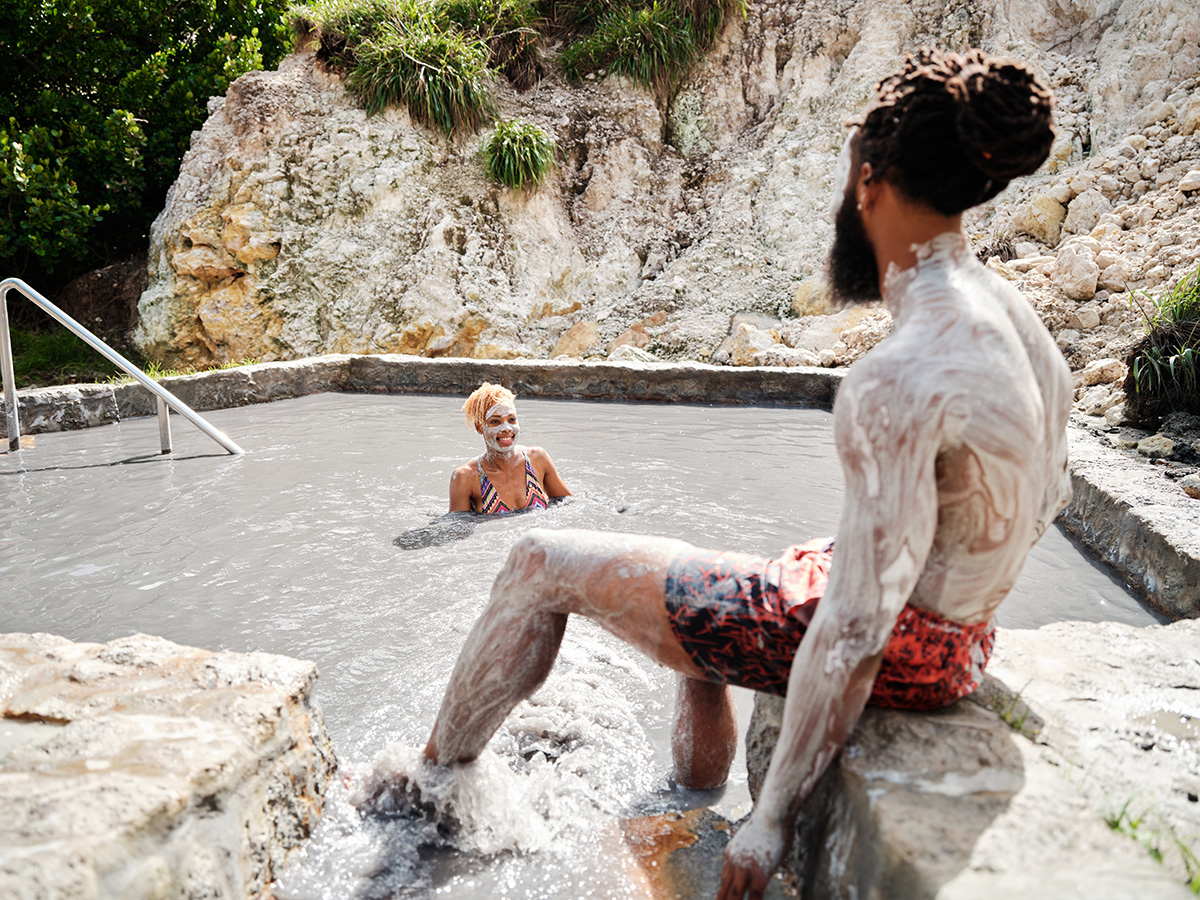
Enjoy a rejuvenating mud bath at Saint Lucia's Sulphur Springs
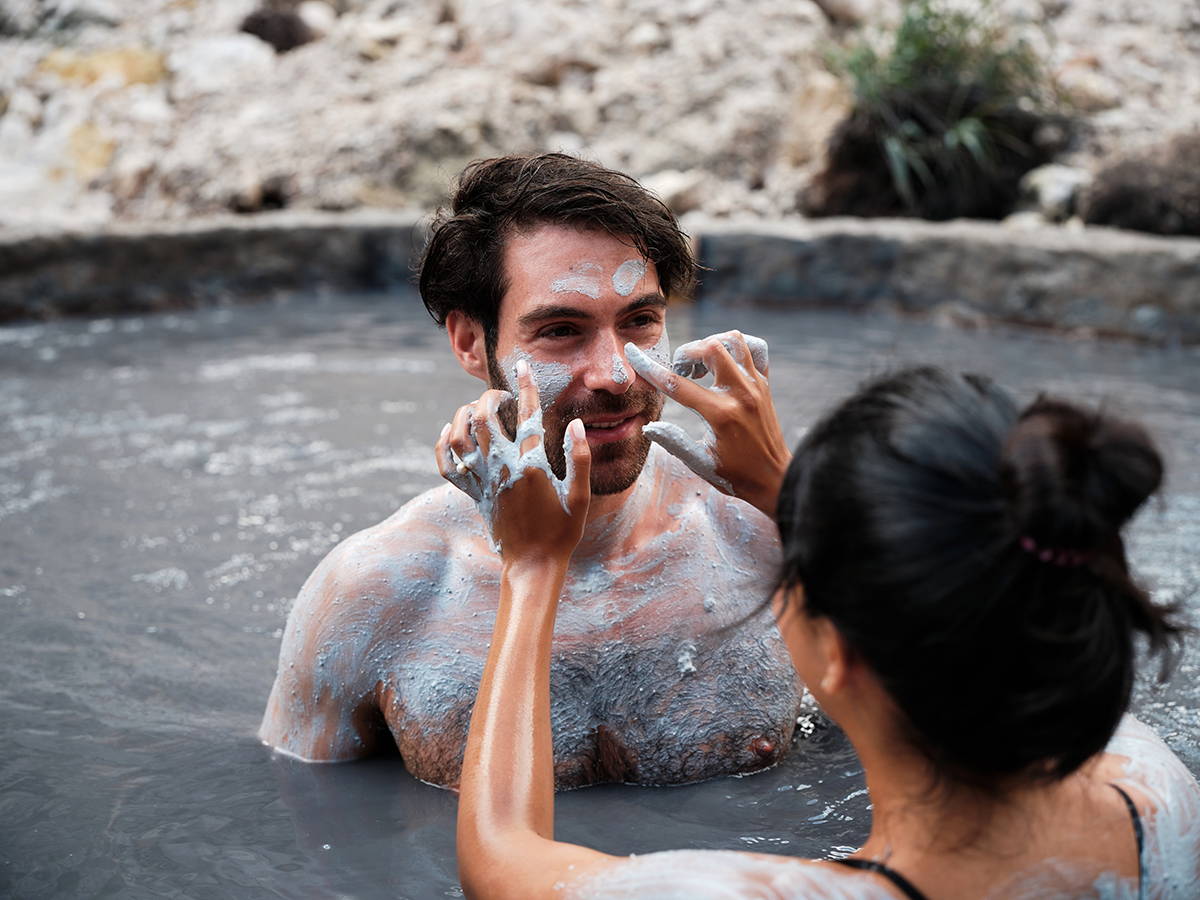
Apply mud to remedy skin conditions, relax muscles and detoxify
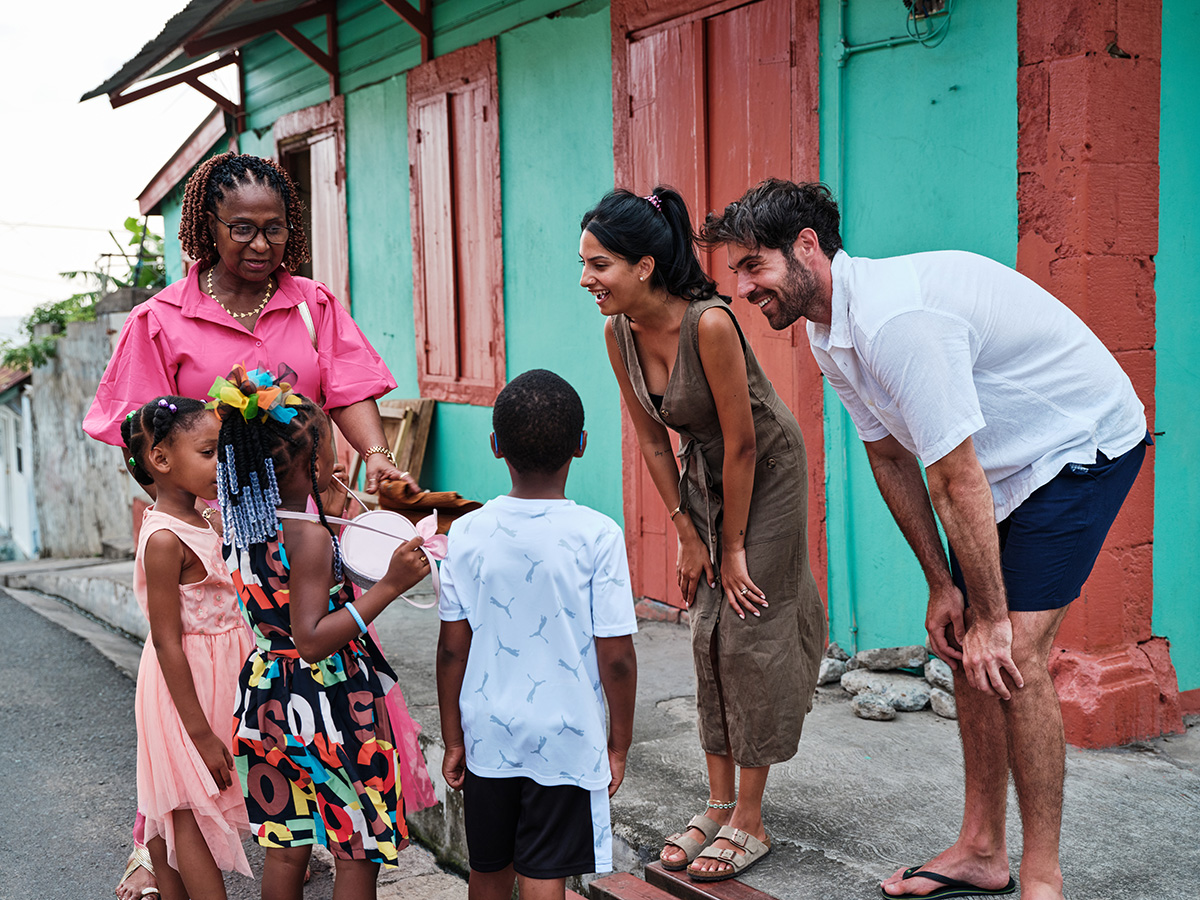
Meeting friendly locals on a walk through one of Saint Lucia's towns
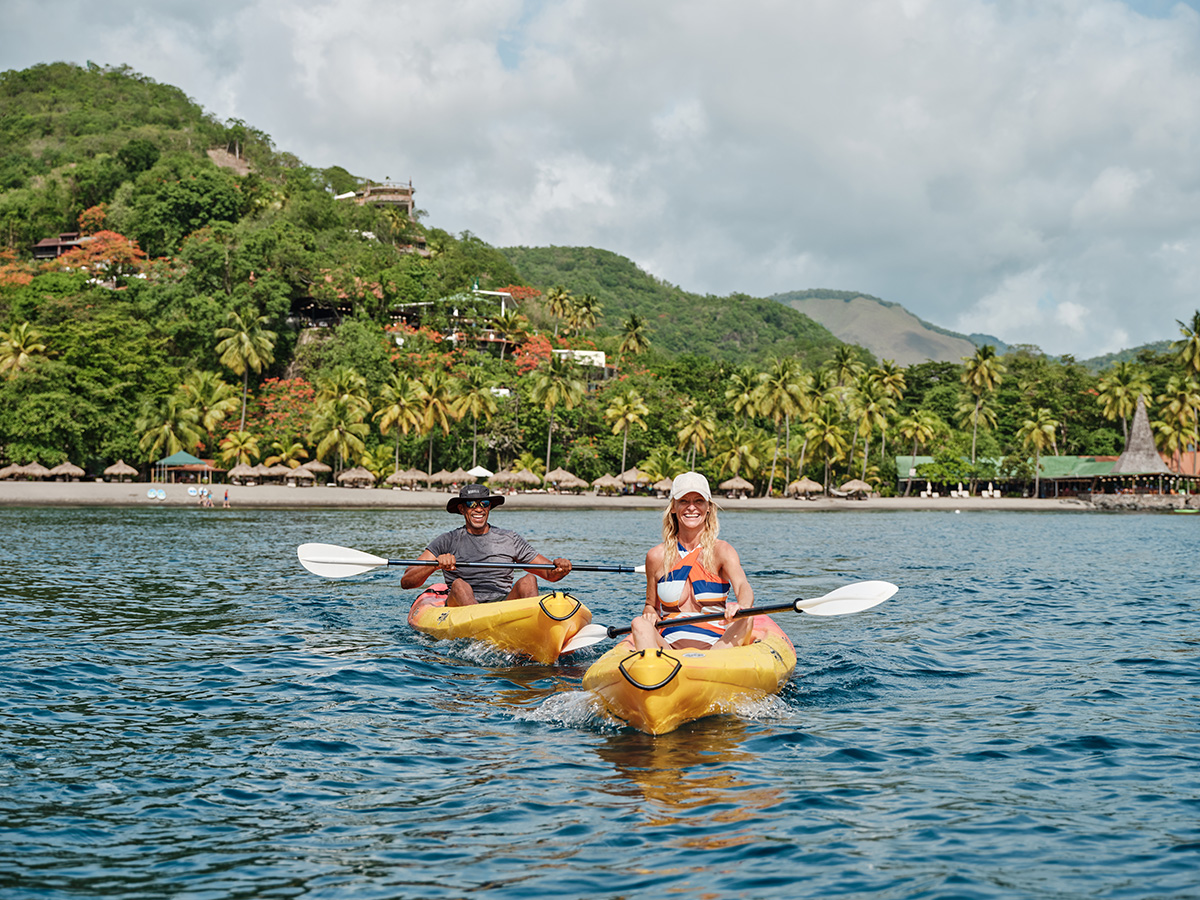
Watersport options are varied and popular in Saint Lucia
Photos courtesy of the Saint Lucia Tourism Authority
Ready to plan your trip to Saint Lucia? Check our flight schedules and pricing:
^Total price one-way per guest. See terms and conditions.