






Environmental sustainability

Air travel is critical to global economies and access to movement. WestJet is committed to meeting air travel demand through responsible growth with environmental stewardship in mind, which is influenced by the International Civil Aviation Organization (ICAO) objectives.

WestJet Group environmental policy

At WestJet we are caring at our core and dedicated to improving the world for current and future generations. We recognize our responsibility to act as accountable corporate citizens and are committed to:

  • Employing proactive measures to prevent pollution and protect the environment.
  • Meeting or exceeding all applicable legal requirements and operating in an environmentally responsible manner in the absence of regulations.
  • Integrating environmental considerations into our daily operations, and embedding sustainable principles into the design of our activities, products, and services.
  • Continuously improving our environmental performance through the development of key performance indicators, environmental objectives, and regular reviews of our environmental management system.

Reducing greenhouse gas emissions

Our emissions reduction activities include operating our fleet and ground infrastructure as safely and efficiently as possible, while investing in initiatives like using Sustainable Aviation Fuels (SAFs) to reduce our carbon footprint.

SAFs are the most pragmatic and effective near-term carbon output reduction option favoured by the aviation industry, because adjustments to aircraft and current infrastructure are not required. Though currently constrained by limited production and high costs, we continue to advocate for the affordable production and availability of SAFs as guest, investor, and regulator demand increases for emissions reduction across aviation.

Operating fuel-efficient aircraft

Our fleet is one of the youngest and most fuel-efficient in North America and we continue to grow with newer and even more fuel-efficient aircraft, including the 737-MAX, which is approximately 13 per cent more fuel efficient than our Boeing 737 Next Generation aircraft. We’ve also improved fuel efficiency more than 50 per cent between 2000-2019 through fleet modernization and new aircraft types.

Responsible aircraft technology

Reporting and offsetting emissions

WestJet complies with federal carbon charges on liquid fuels and contributes to domestic SAF development as a founding member of the Canadian Council for Sustainable Aviation Fuels (C-SAf) and National Aviation Council of Canada (NACC) to advocate for responsible development of emission reduction technologies.

Improving service and ground equipment efficiency

WestJet and our partners use numerous types of equipment to support our operations and maintenance, ranging from aircraft tug vehicles to catering trucks. With fuel consumption dependent on activity and weather conditions, we introduced rechargeable lithium polymer battery-powered baggage tugs at the Calgary International Airport in October 2011. After successfully performing through "normal" winter temperatures without significant incident, we expanded our fleet of battery-powered tugs.

Leveraging efficient work environments

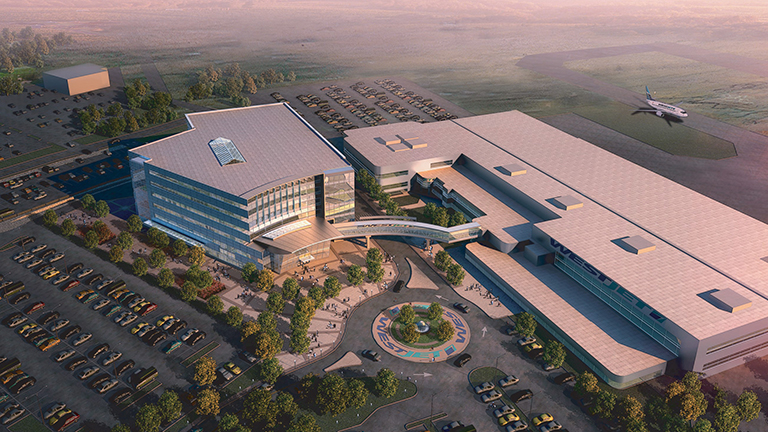
WestJet’s head office in Calgary was built to Leadership in Energy and Environmental Design (LEED) standards and is certified as LEED Gold. Our six-storey Campus offers numerous efficiencies, including maximized natural light, rainwater reclamation tanks, geothermal heating, and efficient fixtures.


The global drive towards a more modern workplace has also shifted our work environment to a hybrid model, with WestJetters working both onsite and remotely based on our Mobile Workforce program. This policy combines the practical benefits for both WestJetters and our company, while reducing unnecessary commuting requirements to a physical workplace, where applicable.

Helpful links