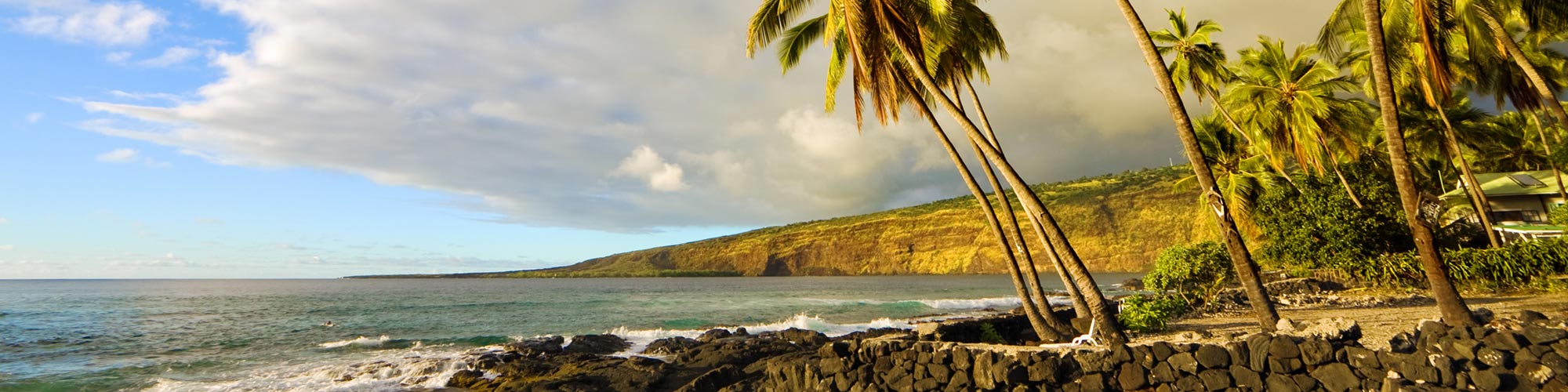
Hawaii Sunset
Take a tour of Hawaii Volcanoes National Park.
Latest information for guests on cybersecurity incident is available here.
WestJet Vacations packages are available in select destinations.
^Total price one-way per guest. See terms and conditions.

Hawaii Travel Tips: Ocean Safety

Hawaii Volcanoes National Park, Hawaii Forest & Trail
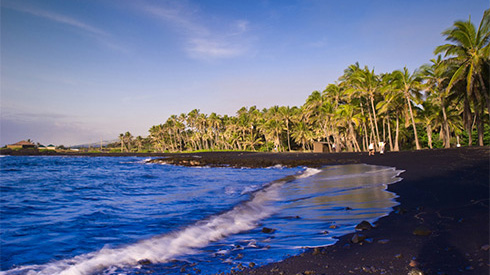
Credit: Michael DeFreitas
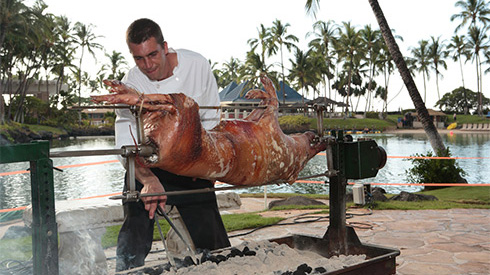
Courtesy of Mealani’s Taste of the Hawaiian Range
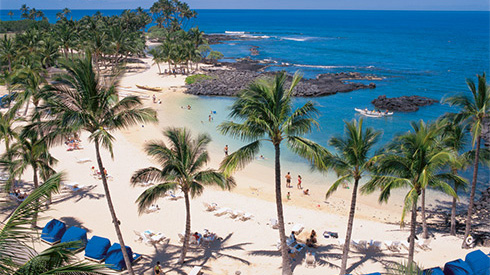
Credit: The Fairmont Orchid Hawaii

Credit: The Fairmont Orchid Hawaii
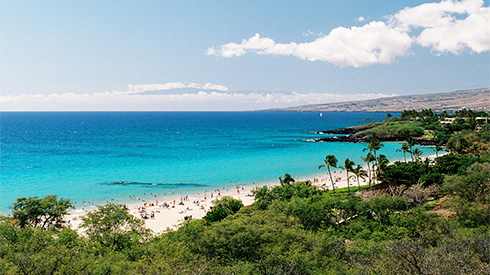
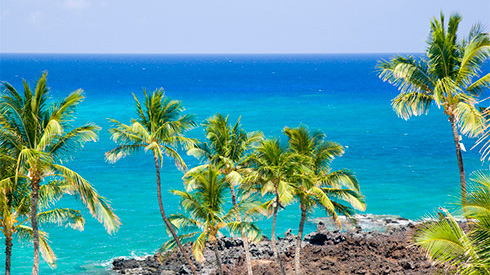
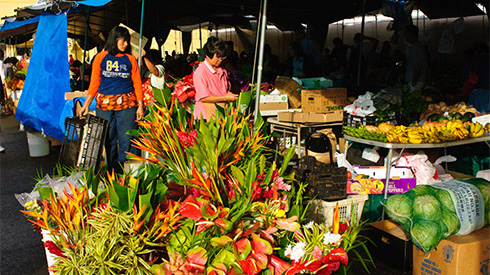
Credit: Michael DeFreitas
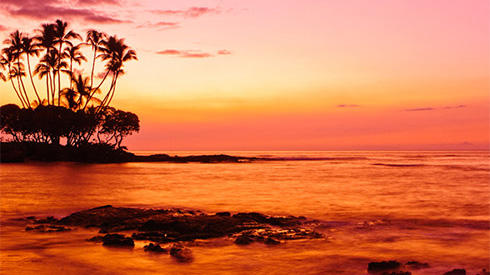
Credit: Michael DeFreitas
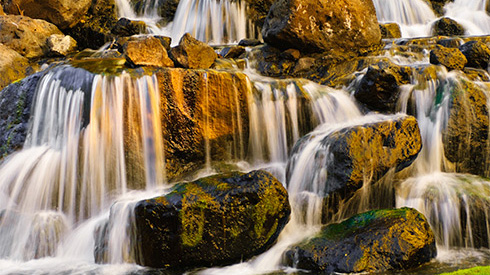
Credit: Michael DeFreitas
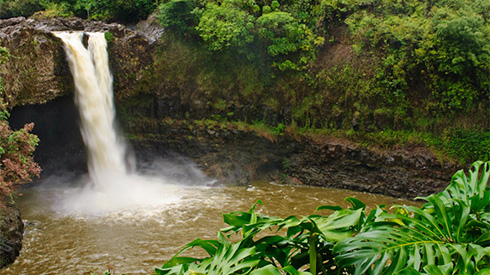
Credit: Michael DeFreitas

Credit: Jared Sych
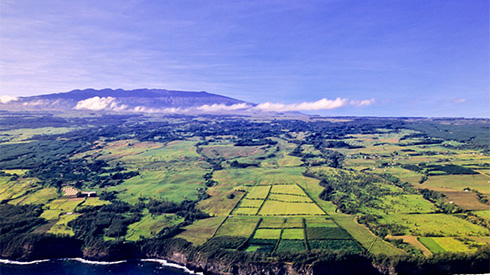
Credit: Michael DeFreitas
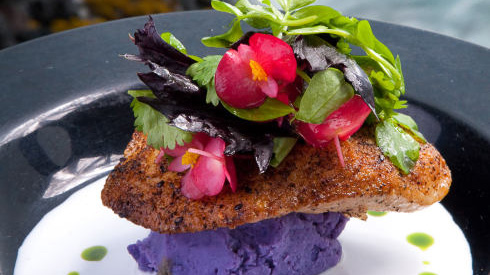
Courtesy of Huggo’s Restaurant
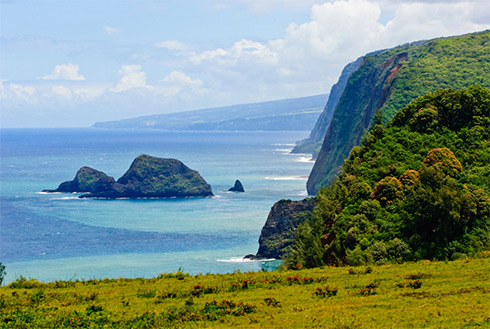
Credit: Michael DeFreitas
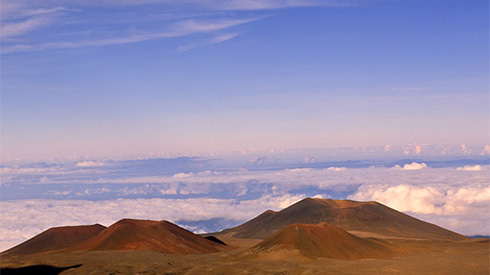
Credit: Michael DeFreitas
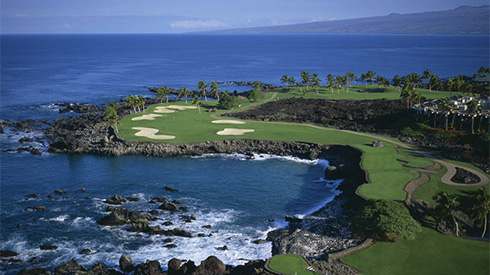
Courtesy of the Mauna Lani Bay Hotel & Bungalows
Credit: Michael DeFreitas
Courtesy of Hawaii’s Big Island Visitor Bureau
Credit: Michael DeFreitas
Credit: Hawaii Tourism Authority

Credit: Hawaii Tourism Authority

From Member Exclusive fares to earning WestJet dollars – benefits built with you in mind.
Learn more