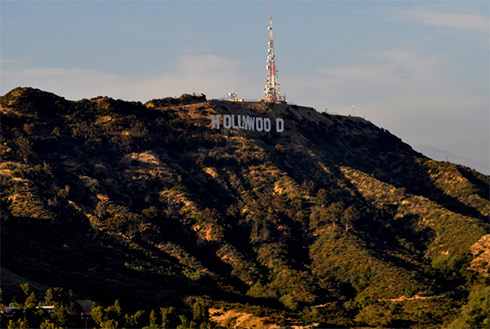
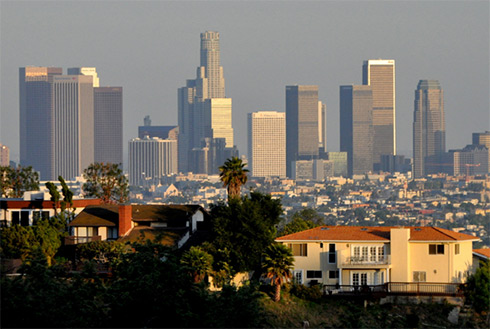
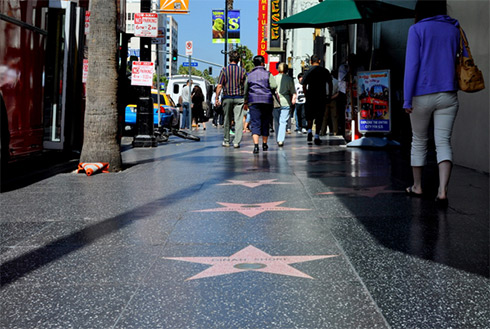
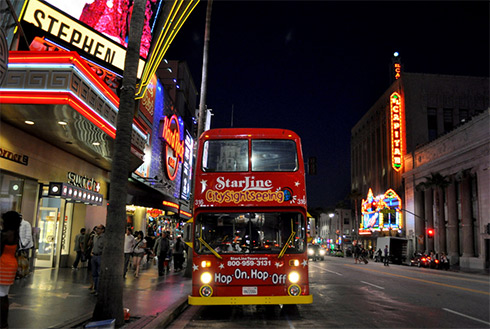
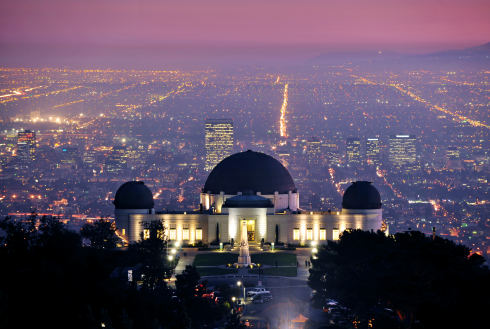
Los Angeles is the heart of American movie and TV production. Most of the head offices for major movie studios, TV networks and cable channels are located here. The creative and business decisions made in Hollywood affect millions of people around the world. This makes L.A. culture one of America’s greatest international exports. In fact, California consistently tops the lists of where Americans would most like to live.
L.A. is a truly special place to live—and in centuries past, whole nations have fought for the right to claim this city as their own. California was colonized by Spain in the 1800s and the Pueblo of Los Angeles was officially founded on September 4, 1781. When Mexico declared independence from Spain in the 1800s, Los Angeles became part of Mexican territory.
America later annexed Texas from Mexico in 1845, sparking the Mexican-American War. The U.S. Army invaded California the same year and by 1848, the Mexicans surrendered numerous states to the U.S. Government, including California and the city of Los Angeles.
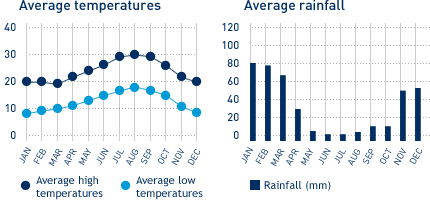
In the early 1900s, L.A. became the centre for American film production as companies relocated their studios from the East Coast to Hollywood. This was in order to take advantage of L.A.'s sunny, dry weather, since early film sets were constructed outdoors. Throughout the 20th century and into the 21st, studios like Universal, Warner Bros, Fox, Disney, Paramount, Columbia, MGM and Dreamworks have produced thousands of films. These powerhouse production companies have turned unknown actors into celebrities and formed a massively influential, multi-billion dollar industry.
Out on the streets of L.A., you’ll quickly be able to tell this city is a performing arts hub. The city's coffee shops and restaurants are packed with successful (and up-and-coming) actors, screenwriters, composers, producers and studio executives. Many are Canadians like Academy Award-winning filmmaker James Cameron. Add the sweet imagery of tanned L.A. surfers served up by 1960s pop groups like the Beach Boys, and it's easy to see how the city has gained a reputation as an exciting paradise for all.
It may come as a surprise, but L.A.'s number one industry is actually manufacturing. More than 500,000 workers make clothing, computers and electronics, food, furniture, automobiles and fabricated metal. Only Detroit manufactures more vehicles than the L.A. area.
Want to skip traffic and get around quickly? Take the Metro! L.A. is home to an inexpensive public transit system offering two heavy rail subway lines. The Red Line connects downtown L.A. with North Hollywood, and the Purple Line runs from Downtown L.A.’s Financial District to Koreatown/mid-Wilshire.
The Metro also has three light rail lines connecting downtown with Long Beach (Blue Line), Los Angeles and Pasadena (Gold Line) and Redondo Beach and Norwalk (Green Line). The latter gives you access to Los Angeles International Airport (LAX). Just take the LAX shuttle bus from the Green Line's Aviation/LAX station.
Still, old habits die hard. Transit ridership is low compared to other large North American cities like Toronto, Montreal and New York – and the Metro can’t get you everywhere. L.A. is primarily a driving culture with a web of freeways. Lucky for residents and visitors, the commute times here are relatively tame compared to other metropolitan regions.
But if you want to know the fastest way to get into Hollywood, take the advice of Bette Davis, who said, "Take Fountain!" Unlike car-congested Sunset and Santa Monica Boulevards, Fountain Avenue rarely gets jammed with traffic.