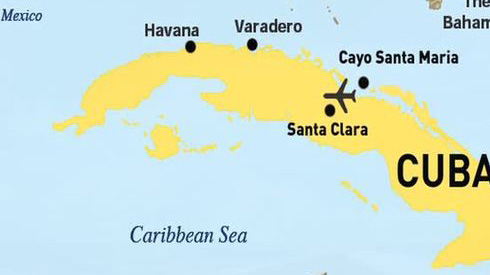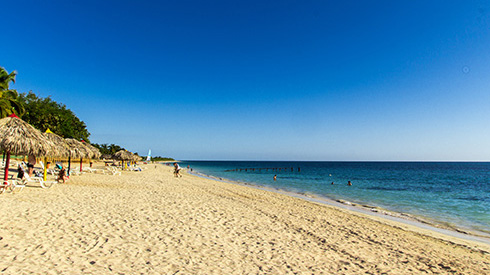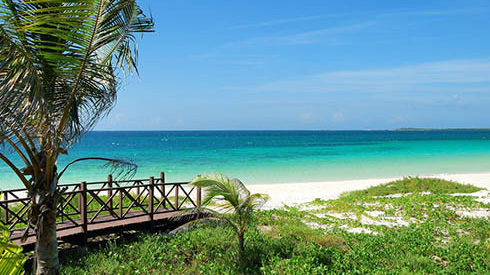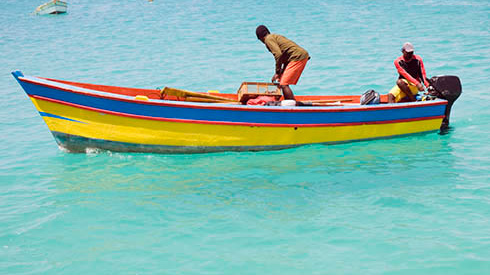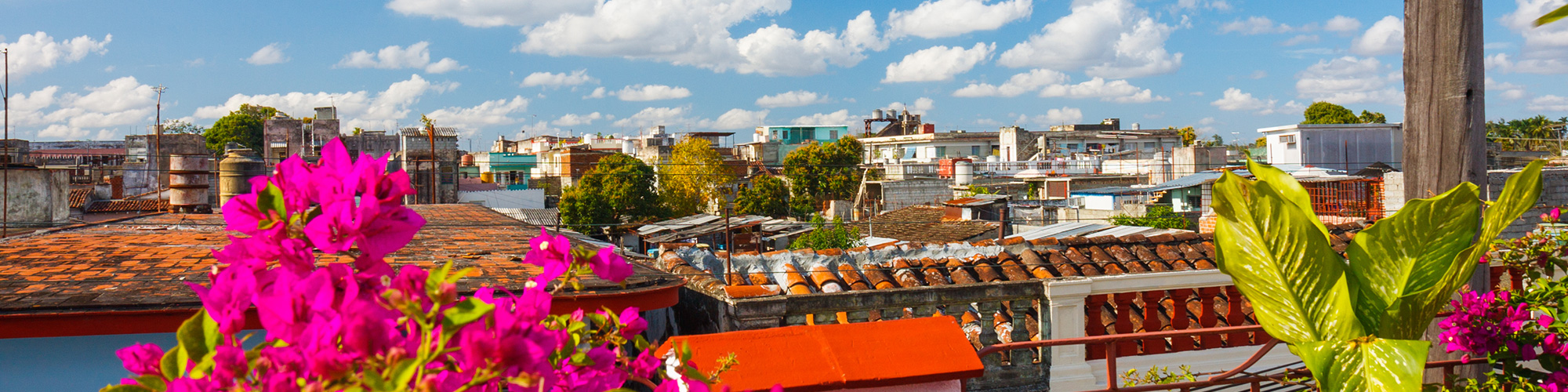
Cayo Santa Maria draws travellers with its beautiful beaches, tropical sun and inexpensive drinks. It also has one of the most unique and intoxicating cultures in the Caribbean. It’s a fusion of African, Spanish, French, Haitian, Russian, Chinese and American cultures.
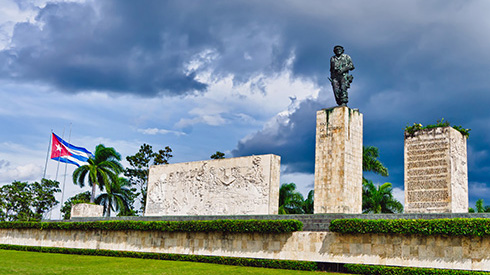
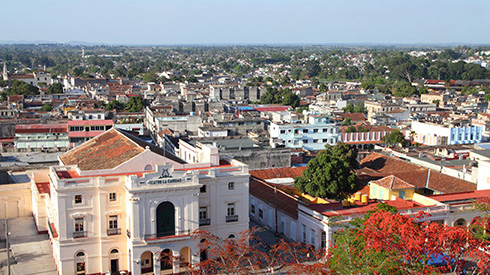
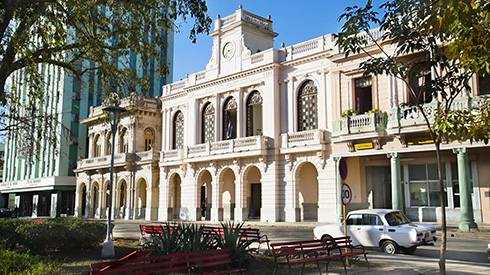
The Cuban revolution was a big influence on Cuba’s melting-pot culture and is still a part of every aspect of Cuban society today. The revolutionary mindset is thoroughly entrenched in Cuban culture and appears in everything from the face of Ernesto “Che” Guevara plastered on walls, billboards and T-shirts to the names of streets and buildings. This is especially true in Santa Clara, the final resting place for many of Cuba’s most important comrades, including Che.
You’ll find the locals here imaginative, curious, humble and very tolerant of tourists. Their charming and friendly demeanour is infectious, and their ingenious ability to keep classic 60-year-old American cars and Russian tractors running, given the current trade embargo, is truly amazing.
Cuban culture has been thriving for the last 50 years. After the revolution, the Cuban government embarked on a program to revitalize the arts, especially those associated with music and dance. So much so that people say, “Cubans sing when speaking, dance while walking and woo with a love song.”
Cuba’s famous music scholar Fernando Ortiz Fernández once described Cuba’s music as “a love affair between the African drum and the Spanish guitar.” Music, like the revolution, is embedded in every aspect of Cuban life. It’s hard to go anywhere without hearing the toe-tapping, hip-swaying beats of salsa, rumba, mambo, cha-cha-cha and Latin jazz. The salsa and cha-cha-cha originated in Cuba, as did conga.
Make sure you don’t miss one of Cuba’s most popular cultural extravaganzas in nearby Remedios. The annual December Las Parrandas de Remedies street party is similar in format to Rio’s Carnival and features large decorative floats carrying costumed revellers performing elaborate dances. Listen to the Cuban rhythms and watch as dancers combine salsa, mambo and cha-cha-cha. The irresistible aromas of traditional criollo food like moros y cristianos (black beans and rice) and picadillo (minced beef and rice) fill the air.
The festival brings together many aspects of Cuban culture. The Chinese provide the fireworks, the Africans the music and the Spanish the food. The festival ends with a spectacular fireworks competition at midnight on December 24.