
Maui the Perfect Destination
From sea to sky and everything in between. Enjoy traditional Hawaiian entertainment, sunsets and unparalleled beaches.
We are currently experiencing high call volumes. You may be able to skip the wait with our Self-serve options.


WestJet Vacations packages are available in select destinations.
^Total price one-way per guest. See terms and conditions.

Hawaii Travel Tips: Culture

Above the Clouds and Below the Sea

Maui, Hawaii

Condo Experience

Credit: Hawai‘i Tourism Authority (HTA) / Tor Johnson

Credit: Michele Sponagle
Credit: Michele Sponagle

Credit: Michele Sponagle

Credit: David Dean
Credit: Hawai‘i Tourism Authority (HTA) / Tor Johnson
Credit: Hawai‘i Tourism Authority (HTA) / Tor Johnson
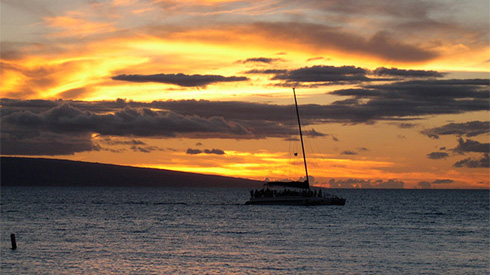
Credit: Michele Sponagle

Credit: David Dean

Credit: Jared Sych
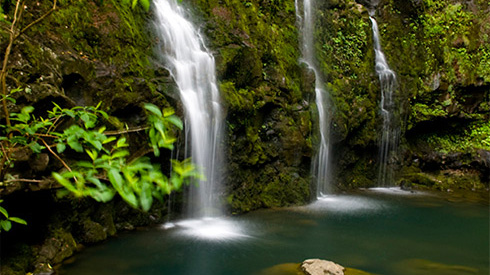
Credit: Jared Sych

Credit: Hawai‘i Tourism Authority (HTA) / Kirk Lee Aeder
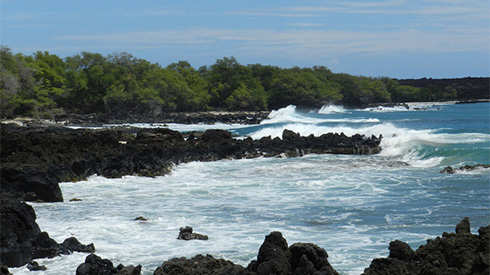
Credit: Michele Sponagle

Credit: Michele Sponagle

Credit: Michele Sponagle
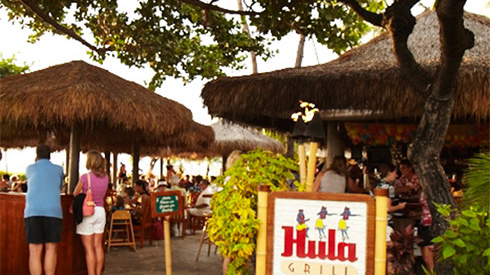
Credit: Jared Sych
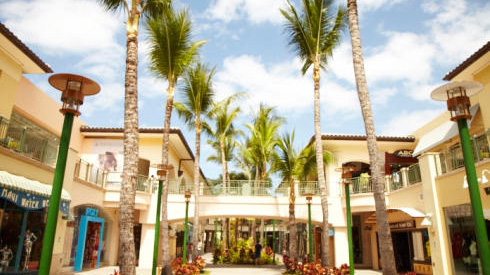
Credit: David Dean

Credit: David Dean

Credit: Michele Sponagle

Credit: Michele Sponagle

Don’t leave any travel stories untold. Start your journey towards more rewarding travel.
Join now